Are you ready to use the wind to make your own clean energy? Making a homemade wind energy solution is a fun project. It helps you use less energy that’s not good for our planet.
You can make a sustainable source of power for your home with some DIY skills. You’ll need to plan, pick materials, build, and install it.
Building your own wind energy solution is a great start. It makes your life more green.
Key Takeaways
- Understand the basics of vertical axis wind turbines
- Learn how to select the right materials for your project
- Discover the steps involved in constructing and installing your turbine
- Explore the benefits of sustainable backyard wind power
- Find out how to maintain your homemade wind energy solution
Understanding Vertical Axis Wind Turbines
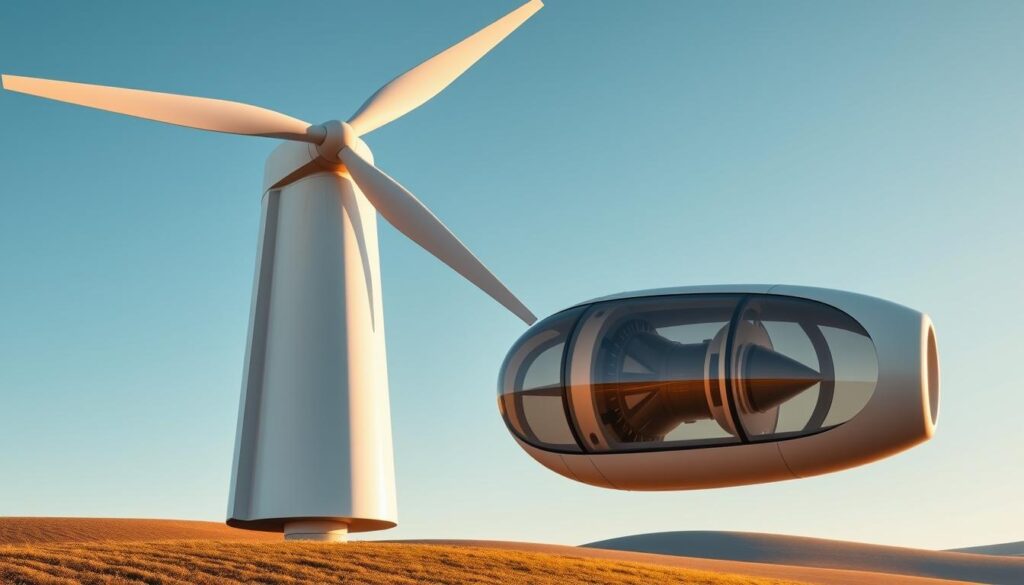
Vertical axis wind turbines are great for using wind energy at home. They work differently than regular wind turbines. They can catch wind from any direction, making them perfect for city homes.
Types of Vertical Axis Designs
There are many designs for vertical axis wind turbines. The Darrieus and Savonius are the most common. The Darrieus is very efficient. The Savonius is simple and lasts a long time.
Advantages for Home Energy Production
These turbines are good for making energy at home. They cost less to install and are easy to fix. They are also quiet and look nice, great for homes.
“Vertical axis wind turbines represent a significant step forward in making renewable energy more accessible to homeowners.”
Realistic Power Expectations
It’s important to know how much power you can get. This depends on where you live and the turbine’s details. Wind speed, turbine size, and how well it works all matter.
Planning Your DIY Vertical Wind Turbine for Backyard
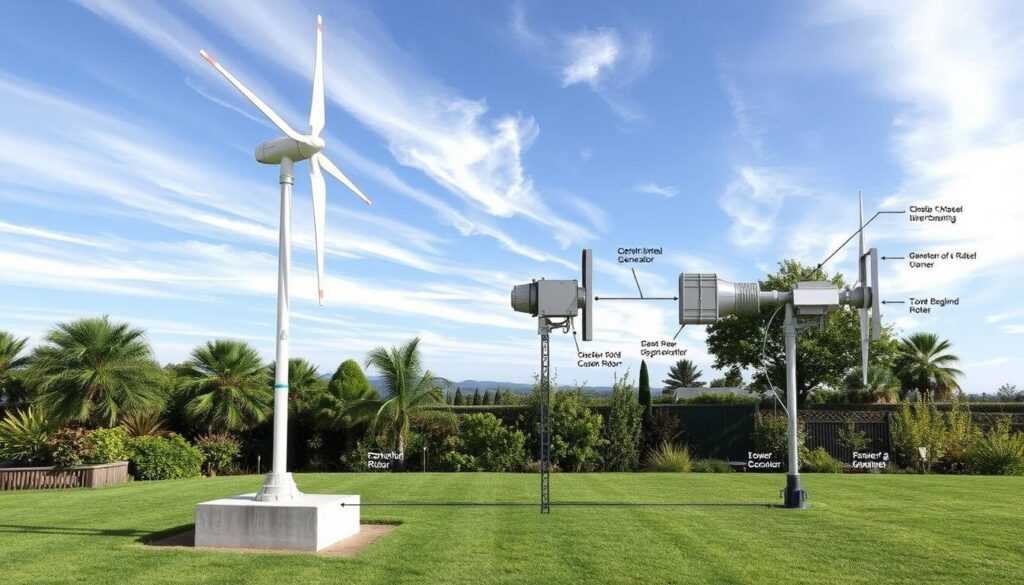
Before you start building your vertical axis wind turbine, careful planning is key. This step is important for a successful backyard installation. It helps you create an efficient and safe renewable energy system.
Assessing Your Location and Wind Patterns
Checking your backyard’s wind patterns is very important. You can use tools like anemometers to measure wind speed and direction. This info helps you choose the right size and design for your turbine.
Determining the Appropriate Size
The size of your wind turbine depends on your energy needs and backyard space. For easy backyard renewable energy projects, start with a small turbine. This lets you learn and grow as you go.
Local Regulations and Permits
Following local regulations is a must. This means knowing HOA considerations and local building codes. Also, getting the right permits is a key part of your backyard wind turbine installation guide.
HOA Considerations
If you live in an HOA area, check your community’s rules. Make sure your wind turbine project meets all requirements. Some HOAs have special rules for such installations.
Building Codes and Restrictions
Local building codes can affect your turbine’s size, location, and type. Talking to local authorities or a pro can help. They can tell you what rules you need to follow.
By following these steps and using wind turbine project tutorials, you can plan a great DIY vertical wind turbine. This helps you and the environment with easy backyard renewable energy projects.
Essential Materials and Tools
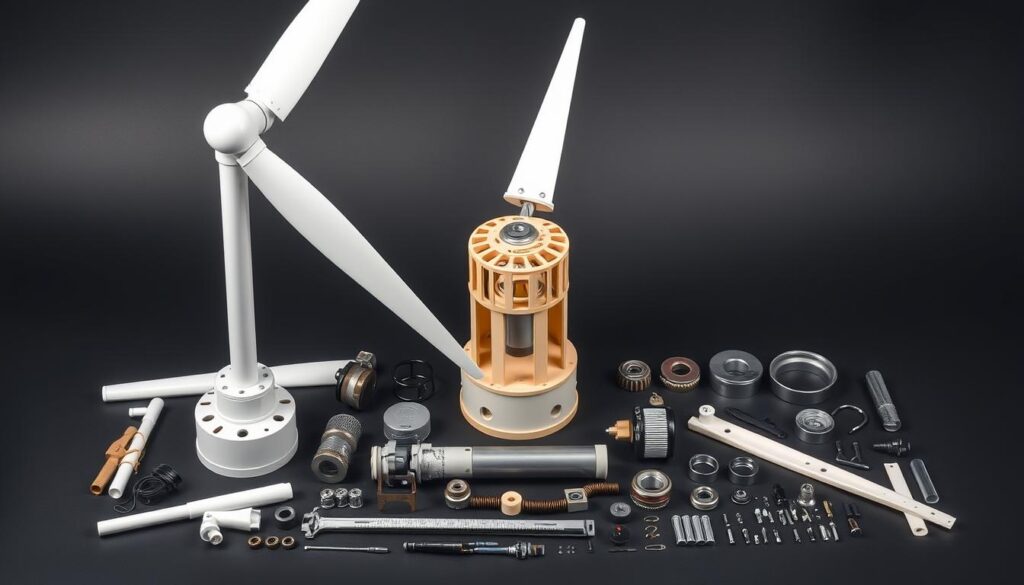
Building a homemade wind energy solution needs the right parts and tools. Getting the right stuff is key to your project’s success.
Core Components List
Knowing what you need for your DIY wind turbine is important. The main parts are the rotor, blades, and generator.
Rotor and Blade Materials
The rotor and blades catch wind energy. You can use PVC pipes and waterproof plywood. They last long and handle weather well.
Generator and Electrical Components
The generator turns mechanical energy into electricity. You’ll need bearings and electrical parts like wires and a charge controller.
Tools Required
To build your wind turbine, you’ll need tools. You’ll need saws, drills, wrenches, and clamps.
| Component | Material | Cost Estimate |
|---|---|---|
| Rotor | PVC Pipes | $50 |
| Blades | Waterproof Plywood | $30 |
| Generator | Electrical Components | $100 |
Budget Considerations and Sourcing Tips
Knowing the costs helps you plan your budget. Look for deals online or locally. Prices and availability can change, so shop around.
Step-by-Step Construction Process

Building a vertical axis wind turbine is a big job. It needs careful steps. These steps include making the rotor, the blades, and the generator unit. Each part is key for the turbine to work well and safely.
Building the Rotor Assembly
The rotor is a main part of your wind turbine. It has the shaft, bearings, and more.
Shaft Construction and Alignment
Make the shaft strong. It must handle the turbine’s rotation. Align it right to avoid wear and keep it smooth.
Bearing Installation
Bearings help the rotor spin without friction. Pick the right ones for your turbine. Follow the maker’s guide to install them.
Creating the Blade System
The blades catch wind and turn it into motion. How you make and shape them affects how well they work.
Cutting and Shaping Blades
Make the blades the right size and shape. Use something strong but light. This helps them move through the air better.
Balancing for Optimal Performance
It’s important to balance the blades. This keeps the turbine running smoothly. Unbalanced blades can cause problems.
Assembling the Generator Unit
The generator turns the turbine’s motion into electricity.
Wiring Configuration
Set up the wiring as the generator needs. Make sure all connections are safe and strong.
Voltage Regulation System
A system to control the voltage is needed. This keeps the electricity steady and good to use. You might need a regulator or other devices.
Safety Precautions During Construction
Always be safe when building. Wear protective gear and handle tools carefully. Keep the area clean to avoid accidents.
- Use protective gear such as gloves and safety glasses.
- Follow manufacturer instructions for tools and materials.
- Keep the work area clean and organized to avoid accidents.
By following these steps and staying safe, you can make a vertical axis wind turbine. It’s a great way to use wind power at home.
Installation and Maintenance
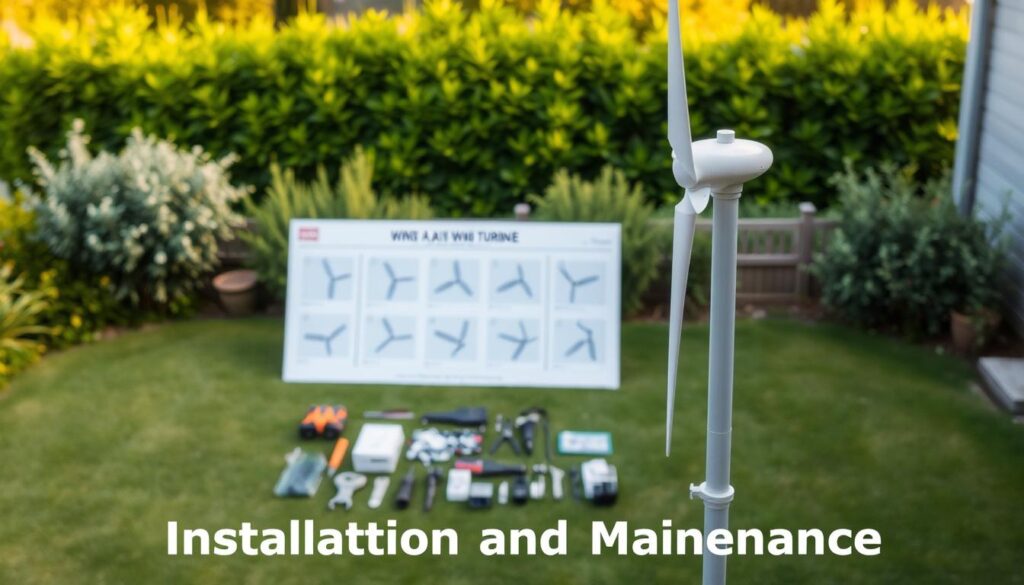
After making your vertical axis wind turbine, you need to install and maintain it. Doing this right makes your turbine work better and last longer.
Choosing the Optimal Location
Finding the best spot for your wind turbine is key. It should be where the wind blows steadily and there’s little to block it. Think about trees and buildings nearby.
Creating a Stable Foundation
A solid base is important for your turbine to work well. The base you need might change based on your turbine’s size and the soil.
Mounting the Turbine Safely
Mounting your turbine right means attaching it well to its base and facing it the right way.
Regular Maintenance Schedule
Keeping your turbine in good shape is key. This includes:
- Inspecting for Wear and Damage: Check for problems often to catch them early.
- Lubricating Moving Parts: Oil keeps parts moving smoothly and helps them last longer.
Inspecting for Wear and Damage
Check your turbine every month for damage or wear on blades and bearings.
Lubricating Moving Parts
Oil moving parts every three months to keep them running smoothly and prevent rust.
Troubleshooting Common Issues
Knowing how to fix common problems like vibration, noise, or less power helps your turbine run better.
| Maintenance Task | Frequency |
|---|---|
| Inspect for wear and damage | Monthly |
| Lubricate moving parts | Quarterly |
Maximizing Your Turbine’s Performance
To get the most out of your homemade wind energy solutions, think about changing your turbine’s design. Adjusting the blade angles can really help. It lets you catch more wind energy.
Make sure your turbine points in the right direction for the wind. This is key for making the most energy.
Keep an eye on how your turbine works. This can show you what to change to make it better. By tweaking things, you can use more renewable energy at home.
Looking at different designs can also help. It might give you ideas to make your turbine work better.
By making these changes, your turbine will work better. This means you use less energy from the earth and help the planet.
Leave a Reply